PUBLIC SECTOR RISK MANAGEMENT: CRISIS PREPAREDNESS
Keywords:
Risk Management, Public Sector, Crisis PreparednessAbstract
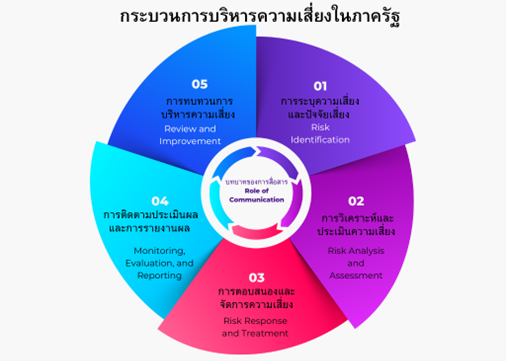
Risk management and crisis preparedness are indispensable components of contemporary public sector operations, given the increasing uncertainties from internal and external factors such as economic, political, or technological changes that lead to more complex challenges for government organizations. This article aimed to present concepts, principles, processes, and best practices in risk management and crisis preparedness within the public sector. The study results found that: Risk referred to uncertainties that may impact the achievement of organizational objectives, while risk management is the process of managing risks to an acceptable level to ensure that operations achieve their defined objectives. Public sector organizations face various types of risks, including strategic, operational, financial, reputational, compliance, and cyber risks. The risk management process comprises risk identification, risk analysis and assessment, risk response and treatment, monitoring, evaluation and reporting, risk review and improvement, and the crucial role of communication throughout all stages. Crisis preparedness is a vital step that enables governments to mitigate the impact of crises and ensure a rapid and effective response. Best practices to enhance public sector capabilities include strengthening integrated risk management frameworks, developing personnel capabilities and organizational culture, utilizing digital technology and data for decision-making, promoting cooperation and coordination, and continuous learning and improvement. Implementing these practices diligently will enable public sector agencies to effectively confront various crises and maintain public trust in the sustainable delivery of essential services.
References
คณะทำงานบริหารความเสี่ยงและการควบคุมภายในกองทุนยุติธรรม. (2563). คู่มือบริหารความ เสี่ยงกองทุนยุติธรรม. (ฉบับปรับปรุงประจำปีบัญชี 2563). กรุงเทพฯ: คณะทำงานบริหารความเสี่ยงและการควบคุมภายในกองทุนยุติธรรม.
จีซีซี. (2568). ปภ. เตรียมพร้อมรับมือสถานการณ์อุทกภัยในช่วงฤดูฝน สร้างความปลอดภัยให้กับประชาชน. 29 กันยายน 2568, จาก https://gcc.go.th/2025/05/21/
ไทยพีบีเอส. (2568). กฎหมายการจัดการภัยพิบัติของไทย… มาไกลแค่ไหน ?. 29 กันยายน 2568, จาก https://theactive.thaipbs.or.th/read/disaster-management-progress?utm
นฤมล บินหะยีอาวัง. (2553). ความคิดเกี่ยวกับการบริหารความเสี่ยงในสถานศึกษาขั้นพื้นฐานของผู้บริหารโรงเรียนเอกชนสอนศาสนาอิสลาม เขตกรุงเทพมหานครและปริมณฑล (วิทยานิพนธ์ศึกษาศาสตรมหาบัณฑิต สาขาวิชาการบริหารการศึกษา). กรุงเทพฯ: มหาวิทยาลัยรามคำแหง.
นฤมล สะอาดโฉม. (2550). การบริหารความเสี่ยงองค์กร. กรุงเทพฯ: ฐานบุ๊คส์.
นิรภัย จันทร์สวัสดิ์. (2551). การบริหารความเสี่ยง. กรุงเทพฯ: จุฬาลงกรณ์มหาวิทยาลัย.
มหาวิทยาลัยขอนแก่น. (2559). คู่มือการจัดทำแผนบริหารความเสี่ยงมหาวิทยาลัยขอนแก่น. ขอนแก่น: ฝ่ายวางแผนยุทธศาสตร์ มหาวิทยาลัยขอนแก่น.
มหาวิทยาลัยศรีนครินทรวิโรฒ. (2561). การจัดการความเสี่ยง (Risk Management). กรุงเทพฯ: มหาวิทยาลัยศรีนครินทรวิโรฒ.
ยุทธศาสตร์ชาติ พุทธศักราช 2561-2580. (2561, 13 ตุลาคม). ราชกิจจานุเบกษา. เล่ม 135 ตอนที่ 82 ก. หน้า 1-61.
ศูนย์บริหารจัดการความเสี่ยง มหาวิทยาลัยมหิดล. (2564). การบริหารความเสี่ยง. นครปฐม: มหาวิทยาลัยมหิดล.
สถาบันการบินพลเรือน. (2552). คู่มือการบริหารความเสี่ยงสถาบันการบินพลเรือน. กรุงเทพฯ: สถาบันการบินพลเรือน.
สำนักงานคณะกรรมการสุขภาพแห่งชาติ. (2568). ตีแผ่ช่องโหว่รับมือภัยพิบัติไทย ยังขาด หน่วยงานกลาง รับผิดชอบ หนุนเพิ่ม ศักยภาพชุมชน เผชิญเหตุ. สืบค้น 29 กันยายน 2568, จาก https://old.nationalhealth.or.th/th/node/5313?utm
สำนักงานปลัดกระทรวงมหาดไทย. (2550). คู่มือการบริหารความเสี่ยง. กรุงเทพฯ: สำนักงานปลัดกระทรวงมหาดไทย.