GOVERNMENT AND CYBERSECURITY MANAGEMENT IN THE ERA OF GLOBALIZATION
Keywords:
The Role of Government, Cyber Security Management, Globalization EraAbstract
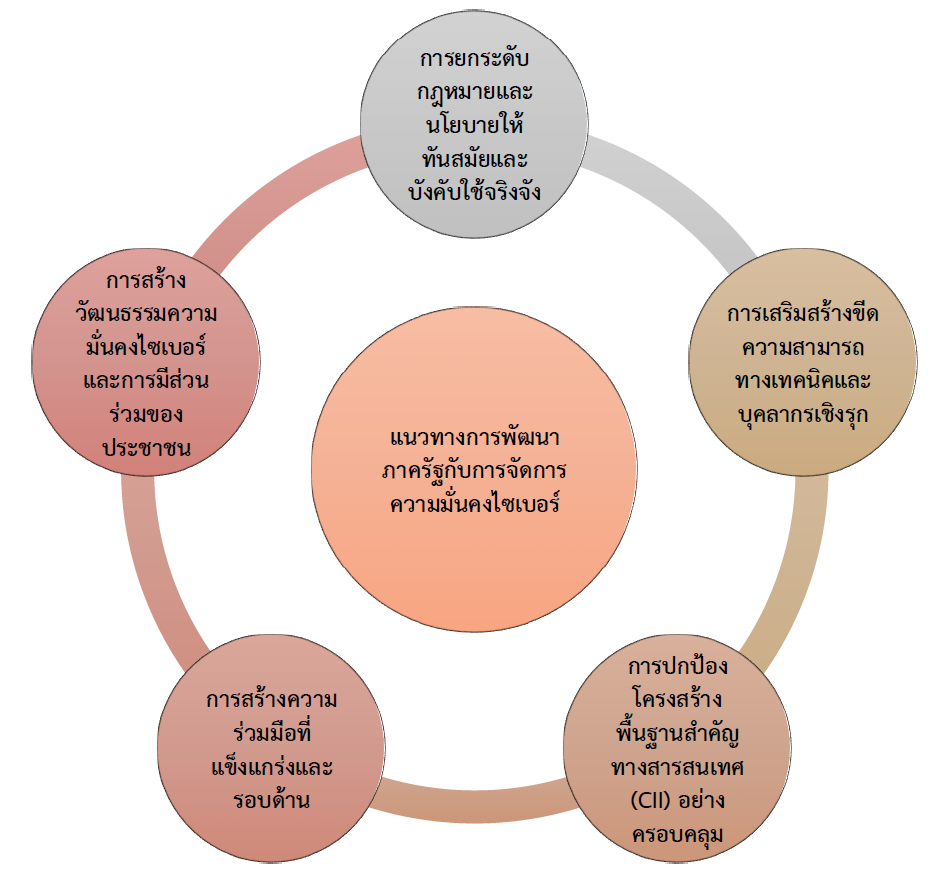
The article analyzed the diverse and comprehensive roles of the government in addressing these challenges, starting from the formulation of national cybersecurity strategies and policies, to the enactment of necessary laws and regulations to create a clear and effective operational framework. In addition, the government has an important role in creating and managing critical information infrastructure to ensure maximum protection, as well as developing cybersecurity capabilities and personnel by investing in training and establishing specialized agencies such as the Computer Security Coordination Center that are ready to deal with threats. Furthermore, successful cybersecurity management requires strong domestic cooperation between the government, private sector, and educational institutions, as well as international cooperation in exchanging information and coordinating the investigation of transnational cybercrime. Importantly, the government must play a proactive role in raising awareness and educating the public so that they are aware of the threats and are part of the prevention approach. Therefore, cybersecurity management in the present era is a complex and continuous task. The government must take integrated action in all the aforementioned dimensions to create strong, resilient cyber immunity and be ready to cope with changes, which will lead to stable and sustainable national development in the digital age.
References
กาญจนา นครคง และธนัสถา โรจนตระกูล. (2567). ระบบอุปถัมภ์กับปัญหาการบริหารงานภาครัฐ. วารสารสหวิทยาการนวัตกรรมปริทรรศน์, 7(4), 452-465.
โกวิทย์ พวงงาม. (2555). การปกครองท้องถิ่นไทย : หลักการและมิติใหม่ในอนาคต (พิมพ์ครั้งที่ 8). กรุงเทพฯ: วิญญูชน.
ธนภูมิ ชาติดี และถิรวุฒิ แสงมณีเดช. (2567). การจัดการบริการสาธารณะแนวใหม่ด้านการส่งเสริมสุขภาพสำหรับผู้สูงอายุของภาครัฐในระดับท้องถิ่นด้วยการวิเคราะห์อภิมาน. วารสารมหาจุฬานาครทรรศน์, 11(4), 142-152.
ปรัชญา จำนงค์. (2566). นวัตกรรมการบริหารจัดการงานบริการขององค์กรปกครองส่วนท้องถิ่น ในจังหวัดนครปฐม. วารสารนวัตกรรมการศึกษาและการวิจัย, 7(4), 1402-1413.
พิธุวรรณ กิติคุณ. (2561). ห้องปฏิบัติการนวัตกรรมภาครัฐ (Government Innovation Lab: Gov Lab). เอกสารวิชาการอิเล็กทรอนิกส์ เล่มที่ 1-16. กรุงเทพฯ: สำนักงานเลขาธิการสภาผู้แทนราษฎร.
ศาสตรา โตอ่อน. (2549). การปฏิรูปการเมืองเพื่อความอยู่เย็นเป็นสุขในยุคโลกาภิวัตน์. สืบค้น 8 สิงหาคม 2568, จาก http://www.public-law.net/publaw/view.aspx?id=1004
สมบัติ ธำรงธัญวงศ์. (2546). การเมือง : แนวความคิดและการพัฒนา. กรุงเทพฯ: สถาบันบัณฑิตพัฒนาบริหารศาสตร์.
สัญญา เคนาภูมิ. (2561). กระบวนทัศน์การจัดการบริการสาธารณะแนวใหม่. วารสารมนุษยศาสตร์และสังคมศาสตร์มหาวิทยาลัยราชภัฏอุบลราชธานี, 9(1), 181-197.
สุพรรัตน์ วงศ์ดุสิตบุรี. (2566). การบริหารจัดการของผู้นำสมัยใหม่ในยุคดิจิทัลของเทศบาลเมืองพัทยา. วารสาร มจร พุทธปัญญาปริทรรศน์, 8(1), 136-148.
ไอริน โรจน์รักษ์. (2568). ยุทธศาสตร์การพัฒนาความมั่นคงปลอดภัยทางไซเบอร์: ก้าวต่อไปกับพลวัตของสังคมที่เปลี่ยนแปลง. วารสารธรรมศาสตร์, 44(2), 197-216.
Broda, E. & Strömbäck, J. (2024). Misinformation, Disinformation, and Fake News: Lessons from An Interdisciplinary, Systematic Literature Review. Annals of the International Communication Association, 48(2), 139–166.
Jampani, S. K. (2025). Cross-Border Cybersecurity Collaboration: Building A Global Framework for Threat. World Journal of Advanced Engineering Technology and Sciences, 14(2), 001–010.
Klijn, E. H. et al. (2010). The Impact of Network Management on Outcomes in Governance Networks. Public Administration, 88(4), 1063-1082.