HUMAN RESOURCE DEVELOPMENT ACCORDING TO IDDHIPADADHAMMA FOR ENHANCING PERSONNEL'S WORK PERFORMANCE OF BANGYITHO MUNICIPALITY, PATHUMTHANI PROVINCE
Keywords:
Human Resource Development, ddhipadadhamma, Competency, Work PerformanceAbstract
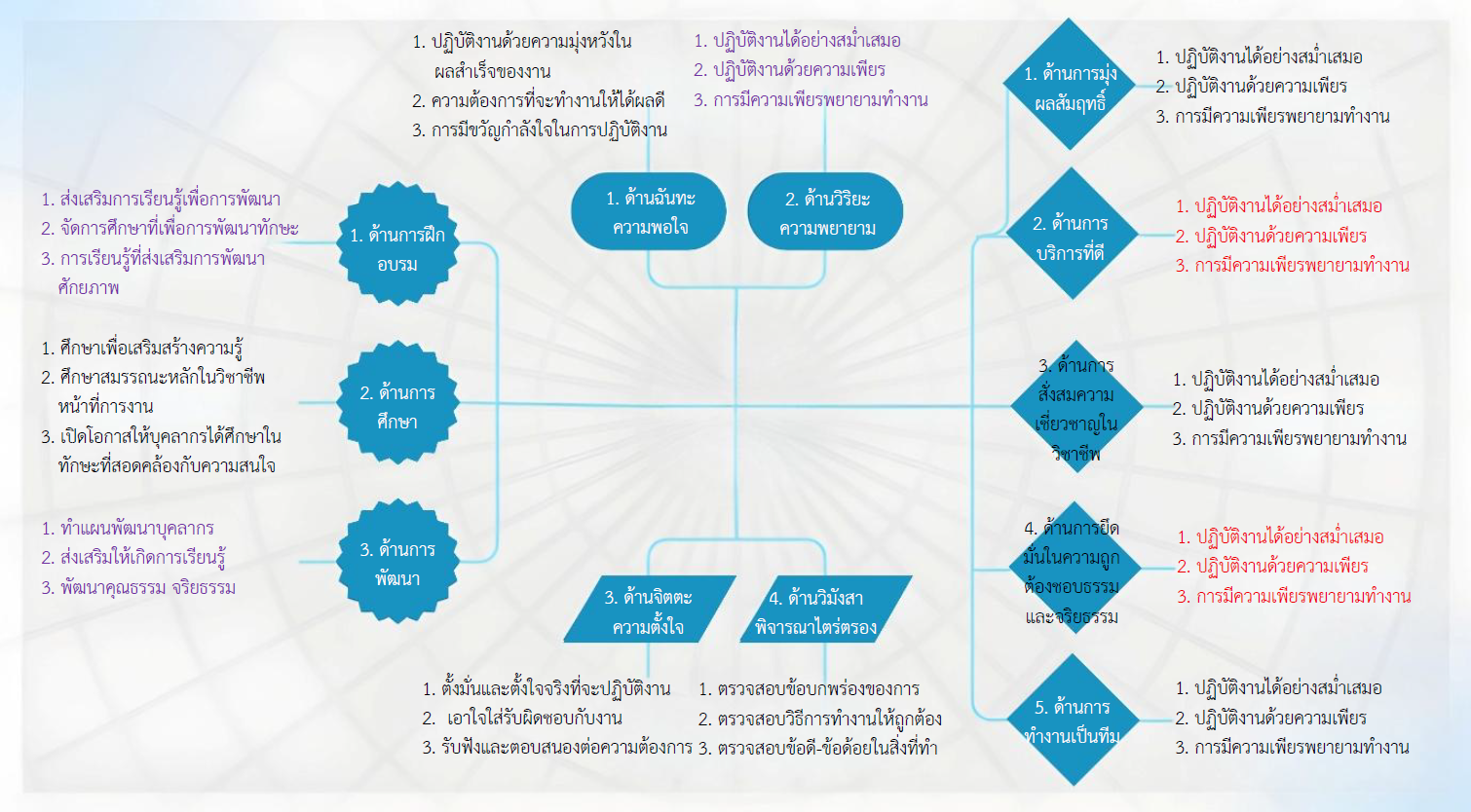
Objectives of this research paper were: 1. To study work performance 2. To study factors affecting work performance and 3. To study human resource development according to Iddhipadadhamma, conducted by the mixed research methods. The quantitative research, data were collected from 195 samples using questionnaires with a reliability value of 0.979, data were analyzed using frequency, The qualitative research, data were collected by in-depth interviewing 10 key informants and 9 participants in focus group discussions to confirm knowledge after data synthesis.
The results showed that: 1. By overall, the work performance competency was at a high level ( = 4.38, S.D. = 0.64). Each aspect was at high level, namely, adherence to legitimacy and ethics, teamwork, good service, achievement-oriented and professional expertise accumulation. 2. Factors affecting work performance competency were found that training, education, and development and the 4 principles of Iddhipadadhamma, namely, Chanda, Viriya, Citta, and Vimamsa affected the work performance. 3. Human resource development was found to develop for the purposes of achievement-oriented, quality work creation, adherence to righteousness and ethics, professional expertise accumulation, technology development to access the organizational work system, adherence to righteousness and ethics, service-mindedness, smiling, friendly greetings, and teamwork. Planning the work leads to the achievement of the goals. Compliance with the 4 principles of Iddhipdadhamma, namely, Chanda, personnel wish to succeed, Viriya, perseverance and effort to work with determination,Citta, mindfulness, and responsibility for community work, organizations, and Vimamsa, considering and reflecting on what was done that was beneficial to the people.
References
กรมส่งเสริมการปกครองท้องถิ่น. (2563). รายงานผลการประเมินประสิทธิภาพขององค์กรปกครองส่วนท้องถิ่น (Local Government Performance Index - LGPI). กรุงเทพฯ: กระทรวงมหาดไทย.
กองการเจ้าหน้าที่ เทศบาลเมืองบึงยี่โถ. (2568). แผนการบริหารและพัฒนาทรัพยากร. สืบค้น 23 มีนาคม 2568, จาก https://shorturl.asia/B3Zsl
คณะกรรมการพัฒนาระบบราชการ. (2562). แนวทางการพพัฒนาระบบราชการในองค์กรปกครองส่วนท้องถิ่น. กรุงเทพฯ: สำนักงาน ก.พ.ร.
โครงการศึกษาวิจัยการปรับปรุงระบบจำแนกตำแหน่งและค่าตอบแทนของข้าราชการส่วนท้องถิ่น. (2557). คู่มือสมรรถนะสำหรับข้าราชการส่วนท้องถิ่น. กรุงเทพฯ: โครงการศึกษาวิจัยการปรับปรุงระบบจำแนกตำแหน่งและค่าตอบแทนของข้าราชการส่วนท้องถิ่น.
ปกิตน์ สันตินิยม. (2564). รูปแบบการบริหารจัดการธนาคารน้ำใต้ดินเพื่อการแก้ไขปัญหาภัยแล้งและน้ำท่วมอย่างยั่งยืนในจังหวัดอุบลราชธานี (ดุษฎีนิพนธ์ปรัชญาดุษฎีบัณฑิต สาขาวิชารัฐประศาสนศาสตร์) พระนครศรีอยุธยา: มหาวิทยาลัยมหาจุฬาลงกรณราชวิทยาลัย.
ภวัต นิตย์โชติ. (2561). การพัฒนาสมรรถนะตามหลักพละ 4 ของบุคลากรปกครองส่วนท้องถิ่นในจังหวัดสงขลา (ดุษฎีนิพนธ์พุทธศาสตรดุษฎีบัณฑิต สาขาวิชารัฐประศาสนศาสตร์). พระนครศรีอยุธยา: มหาวิทยาลัยมหาจุฬาลงกรณราชวิทยาลัย.
มหาจุฬาลงกรณราชวิทยาลัย. (2539). พระไตรปิฎกฉบับภาษาไทย ฉบับมหาจุฬาลงกรณราชวิทยาลัย. กรุงเทพฯ: โรงพิมพ์มหาจุฬาลงกรณราชวิทยาลัย.
รวิภาส พิตรพิบูลย์พงศ์. (2567). การบูรณาการหลักพุทธธรรมเพื่อส่งเสริมสมรรถนะการปฏิบัติงานของบุคลากรองค์การบริหารส่วนตำบลในจังหวัดสมุทรสาคร (ดุษฎีนิพนธ์ปรัชญาดุษฎีบัณฑิต สาขาวิชารัฐประศาสนศาสตร์). พระนครศรีอยุธยา: มหาวิทยาลัยมหาจุฬาลงกรณราชวิทยาลัย.
สุภาพร พิศาลบุตร และยงยุทธ เกษสาคร. (2545). การพัฒนาบุคคลและการฝึกอบรม (พิมพ์ครั้งที่ 2). กรุงเทพฯ: ห้างหุ้นส่วนจำกัด วี.เจ พริ้นติ้ง.
Yamane, T. (1967). Elementary Sampling Theory. Englewood Cliffs. NJ: Prentice-Hall.