DECENTRALIZATION TO LOCAL AUTHORITIES: PROBLEMS AND OBSTACLES
Keywords:
Decentralization, Local Government, Public Participation, Problems and ObstaclesAbstract
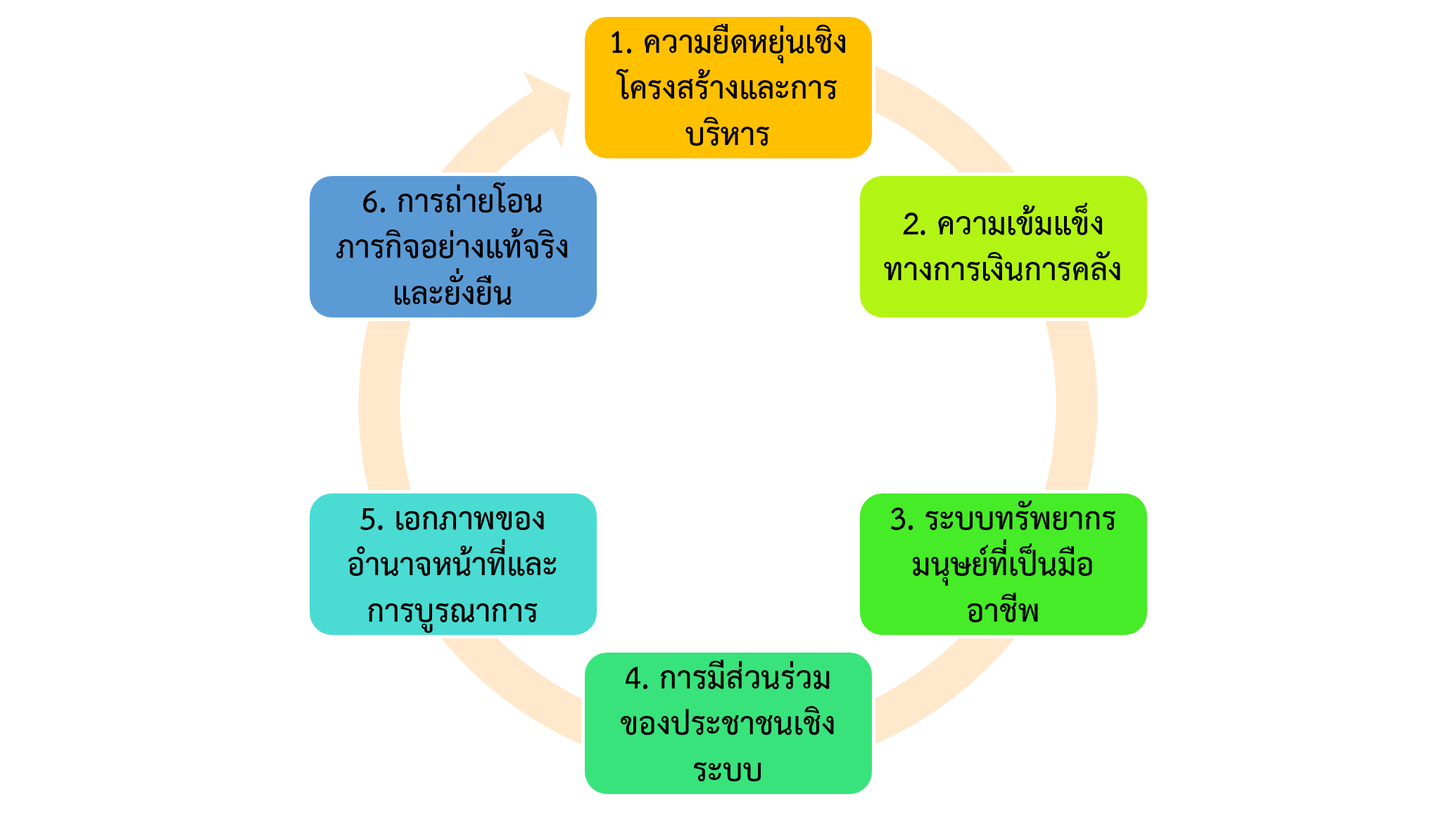
Decentralization is a fundamental concept of local administrative organizations in a democratic system. It aims to empower citizens to participate in policy-making and the provision of public services, with the central government transferring some power and resources to local authorities under their supervision. This concept can be categorized in several ways, particularly devolution, which promotes self-government the most. Local administrative organizations play a crucial role as a basic mechanism of democracy, helping to meet the needs of the people, alleviate the burden on the state, and develop future political leaders. However, Thailand’s decentralization faces several structural problems, including administrative inflexibility, fiscal constraints, a lack of merit-based human resource management, limited public participation, duplication of responsibilities, and delays in the transfer of key tasks. Therefore, an effective approach to decentralization should focus on restructuring and enacting flexible laws, strengthening fiscal independence, developing a merit-based human resource management system, promoting public participation, clearly defining responsibilities, and accelerating the transfer of key tasks. This will enable local administrative organizations to provide efficient public services that meet the needs of the people and contribute to sustainable democratic development.
References
โกวิทย์ พวงงาม. (2550). การปกครองท้องถิ่นไทยว่าด้วยทฤษฎี แนวคิด และหลักการ. กรุงเทพฯ: เอ็กซเปอร์เน็ท.
ชูวงศ์ ฉายะบุตร. (2539). การปกครองท้องถิ่นไทย (พิมพ์ครั้งที่ 3). กรุงเทพฯ: บริษัทพิฆเนศ พริ้นติ้ง เซ็นเตอร์ จำกัด.
ชูศักดิ์ เที่ยงตรง. (2518). การบริหารการปกครองท้องถิ่นของไทย. กรุงเทพฯ: โรงพิมพ์มหาวิทยาลัยธรรมศาสตร์.
นครินทร์ เมฆไตรรัตน์. (2569). การปกครองตนเองในระดับท้องถิ่น. สืบค้นเมื่อ 17 กุมภาพันธ์ 2569 จาก https://shorturl.asia/3qPCs.
นภาจรี จิวะนันทประวัติ. (2557). การปกครองท้องถิ่น-ประชาธิปไตยใกล้มือประชาชน. สืบค้นเมื่อ 17 กุมภาพันธ์ 2569 จาก https://shorturl.asia/TAxmb.
นันทวัฒน์ บรมานันท์. (2544). การปกครองท้องถิ่นฝรั่งเศส. กรุงเทพฯ: บริษัท พี. เพลส จำกัด.
_____. (2545). การปกครองส่วนท้องถิ่น. กรุงเทพฯ: วิญญูชน.
ประทาน คงฤทธิศึกษากร. (2535). การปกครองท้องถิ่น (พิมพ์ครั้งที่ 3). กรุงเทพฯ: สถาบันพัฒนบริหารศาสตร์.
ภิรมย์พร ไชยยนต์. (2557). การกระจายอำนาจการปกครองท้องถิ่น: ศึกษากรณีการปกครองตนเองตามเจตนารมณ์ของประชาชนในระดับจังหวัด (วิทยานิพนธ์นิติศาสตรมหาบัณฑิต สาขาวิชานิติศาสตร์). กรุงเทพฯ: สถาบันบัณฑิตพัฒนบริหารศาสตร์.
มณีชัชวาล มณีศรี. (2564). ทางเลือกที่น่าสนใจต่อการแก้ไขปัญหาการกระจายอำนาจของท้องถิ่นไทยในภาพรวม. วารสารสมาคมรัฐประศาสนศาสตร์แห่งประเทศไทย, 3(5), 65–84.
ราชบัณฑิตยสถาน. (2544). พจนานุกรมศัพท์กฎหมายไทย. กรุงเทพฯ: ราชบัณฑิตยสถาน.
สถาบันพระปกเกล้า. (2563). ชุดวิชา แนวคิดพื้นฐานเกี่ยวกับการกระจายอำนาจและการปกครองท้องถิ่น. กรุงเทพฯ: สำนักนวัตกรรมเพื่อประชาธิปไตย สถาบันพระปกเกล้า.
สมคิด เลิศไพฑูรย์. (2550). กฎหมายการปกครองท้องถิ่น. กรุงเทพฯ: เอ็กซเปอร์เน็ท.
สำนักงานคณะกรรมการการกระจายอำนาจให้แก่องค์กรปกครองส่วนท้องถิ่น. (2558). 15 ปี การกระจายอำนาจให้แก่องค์กรปกครองส่วนท้องถิ่น. กรุงเทพฯ: สำนักพิมพ์คณะรัฐมนตรีและราชกิจจานุเบกษา.
เสกสรร ตันติวนิช. (2562). แนวคิดกระบวนการกระจายอำนาจสู่องค์กรปกครองส่วนท้องถิ่นและแนวโน้มการปกครองส่วนท้องถิ่นในอนาคต. Journal of Administrative and Management, 7(1), 80–85.
Heywood, A. (1992). Political Ideologies: An Introduction. London: Macmillan.
Mannor, J. (1999). The Political Economy of Democratic Decentralization. Washington, D.C.: World Bank.