Learner Acceptance of AI-integrated Gamified Learning for Chinese Pronunciation: A Technology Acceptance Model Study
Article Sidebar
Main Article Content
บทคัดย่อ
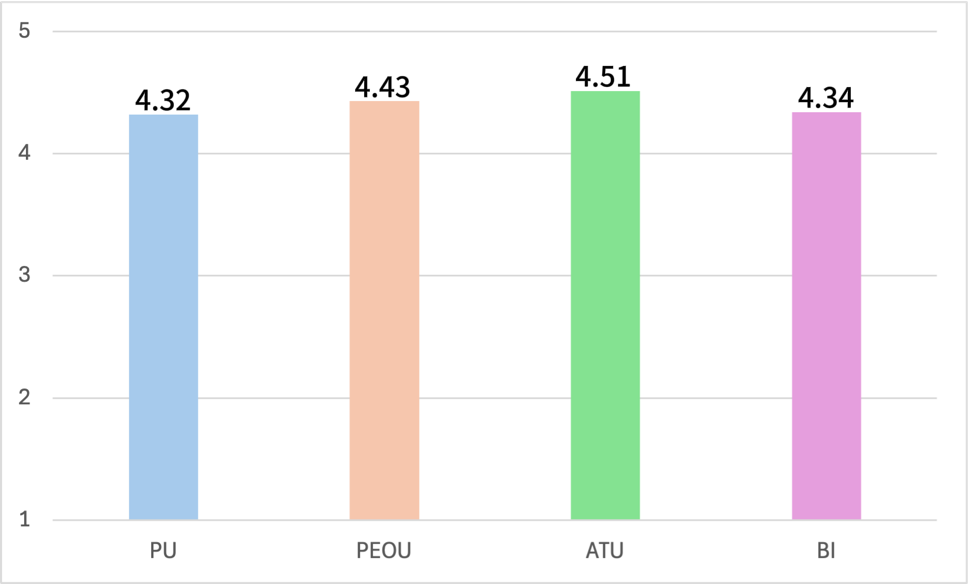
This study investigates learners’ acceptance of an AI-integrated gamified learning approach for Chinese pronunciation through the Technology Acceptance Model (TAM). Although artificial intelligence and gamification have been widely reported to enhance learning performance, empirical evidence concerning learners’ perceptions and acceptance—particularly in pronunciation-focused digital language learning, remains limited. Understanding learner acceptance is essential for the sustainable implementation of AI-enhanced learning technologies in educational contexts. The study was conducted with lower secondary school students who participated in AI-integrated gamified pronunciation learning activities incorporating gamified quizzes and AI-generated voice support. Learner acceptance was examined using a TAM-based questionnaire comprising four constructs: perceived usefulness, perceived ease of use, attitude toward using, and behavioral intention to use. Data was analyzed using descriptive statistics to examine learners’ perceptions across TAM dimensions. The findings indicate high levels of learner acceptance toward the AI-integrated gamified learning approach. Attitude toward using demonstrated the highest mean score, followed by perceived ease of use and perceived usefulness, suggesting that affective engagement and system usability play central roles in shaping acceptance. Learners also expressed positive behavioral intentions to continue using AI-supported gamified learning for pronunciation practice. These findings highlight the importance of learner-centered design in AI-enhanced digital learning environments and support the sustainability and broader application of AI-integrated gamified learning in language education.
