Application of Contextualized 5E Inquiry-based Learning in Undergraduate Image Processing Courses Using a Service Robot
Article Sidebar
Main Article Content
Abstract
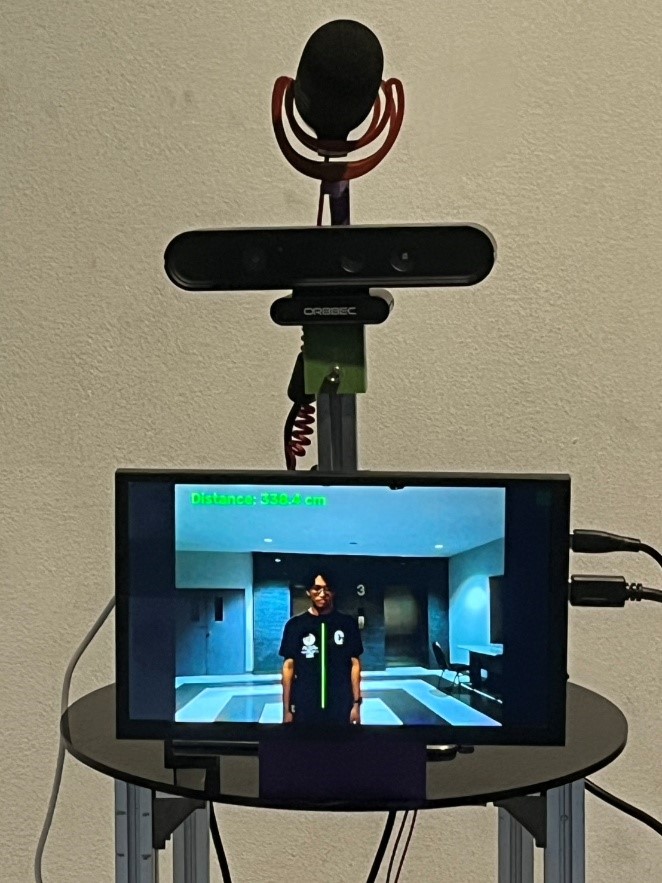
Background: Image processing and computer vision are increasingly important competencies in mechatronics and robotics education, yet lecture-centered instruction may leave a gap between algorithmic knowledge and practical application. Purpose: This study examined changes in undergraduate students' image-processing achievement and their satisfaction following a service robot-contextualized 5E inquiry-based learning intervention. Methods: Thirty second-year students in an Image Processing and Artificial Intelligence course participated in a one-group pretest-posttest study conducted during a single 3-hour session. Students observed an autonomous mobile robot scenario and completed structured inquiry activities involving camera calibration and distance-based person localization. Two content-matched 20-item achievement-test forms underwent two rounds of review by three experts; after revision, all items met the predefined Index of Item-Objective Congruence criterion (IOC = 0.67-1.00). Results: For the full sample, the mean score increased from 12.87 (SD = 3.63) to 14.23 (SD = 2.91), t(29) = 2.16, p = .039, 95% CI [0.07, 2.66], dz = 0.39. The class-average normalized gain was low (g = 0.19). Exploratory subgroup results showed a significant increase among students in the lower pretest half and no significant change among those in the higher pretest half. Overall satisfaction was at the highest level (M = 4.68, SD = 0.48). Conclusion: The findings provide preliminary evidence that the instructional approach was feasible and was associated with short-term achievement gains and high student satisfaction. Because the study used a one-group pretest-posttest design, causal effectiveness cannot be established. Further studies with comparison groups, larger samples, longer implementation periods, and delayed posttests are needed.
